How to prevent sewer line clogs in an older Buckeye home
Older Buckeye homes face root intrusion, aging clay pipes, and hard water scale. Here is how to prevent sewer line clogs before they back up into your house.
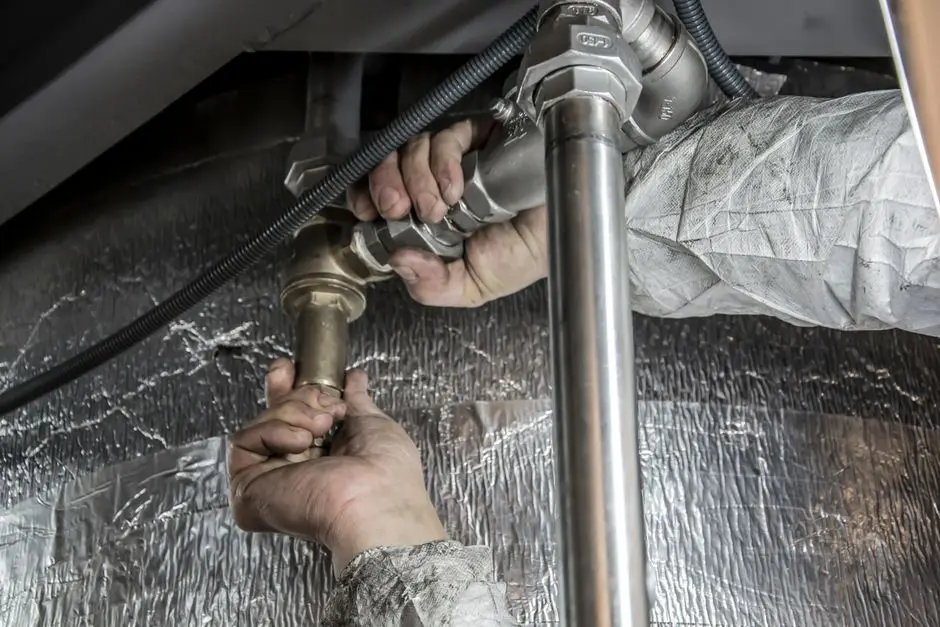
The fastest way to prevent sewer line clogs in an older Buckeye home is to stop grease, wipes, and roots from ever settling inside the pipe - and to have the line jetted and camera-inspected every 18 to 24 months before anything backs up. Older homes here were built with cast iron, clay, or Orangeburg pipe that has spent decades under desert soil, and those materials fail in predictable ways. This guide covers what actually causes clogs in Buckeye's older neighborhoods, the monthly habits that keep your line clear, and when a pro needs to step in.
Why older Buckeye homes clog more often
Homes built in Buckeye before roughly 1990 were plumbed with materials that do not handle today's waste volume or the Valley's soil movement. Cast iron rusts from the inside out, clay tile cracks at the joints, and Orangeburg - a tar-paper pipe used in some mid-century builds - collapses under its own weight after 40 years.
Add Buckeye's caliche-heavy soil and summer ground temperatures that push 100°F at depth, and you get pipes that shift, crack, and settle. Every crack is a root magnet. Every shifted joint is a snag point for wipes and grease. That is why a 1978 home off Miller Road clogs three times more often than a 2015 build in Verrado.
If you own one of these older properties, the smartest first move is a camera inspection so you know exactly what material you are dealing with. Our team handles sewer line cleaning buckeye AZ with a camera on every visit, so you see the footage before we recommend anything.
What causes sewer line clogs in older Buckeye AZ homes?
Sewer line clog prevention in Buckeye starts with knowing the four culprits: root intrusion, grease and fat buildup, flushable wipes, and pipe deterioration. In older homes, all four usually show up at once.
- Root intrusion: Mesquite, palm, and ficus roots travel 20 to 30 feet to find moisture in a cracked pipe. Once inside, they form a mat that catches everything else.
- Grease and fat: Even small amounts of cooking oil coat cast iron and give roots something to grab.
- Flushable wipes: They do not break down. They snag on rust scale and root hairs, then dam the line.
- Pipe deterioration: Cast iron loses roughly 1 mm of wall thickness per decade. By year 50, the pipe is rough enough to catch paper on its own.
Hard water makes it worse. Buckeye water runs 12 to 18 grains per gallon, which leaves mineral scale inside the pipe that narrows the flow over time. A line that was 4 inches wide in 1980 might be 2.5 inches today.
The monthly habits that keep your line clear
How to prevent sewer clogs in Buckeye AZ comes down to what you put down the drain and how often you flush the system. These habits take 10 minutes a month and save thousands in emergency repairs.
- Run hot water for 30 seconds after every kitchen use. This pushes grease past the trap before it cools.
- Never pour cooking oil down the drain. Pour it into a can, let it harden, and trash it.
- Flush the line with a bucket of hot water once a month. Five gallons, poured fast, scours light buildup.
- Use mesh drain screens in every tub and shower. Hair is the number one bathroom clog in older homes.
- Skip the