How to stop a slab leak from damaging your floors
A slab leak can warp, buckle, and mold your floors fast. Here's how Buckeye homeowners stop slab leak floor damage before it spreads.
You stop a slab leak from damaging your floors by shutting off the water supply, pulling up any standing moisture, and getting the leak located and repaired before the slab stays wet for another day. The longer water sits under your flooring, the more it warps, buckles, and grows mold - and in Buckeye, the heat speeds that up. This guide covers how to spot a slab leak, what it does to tile, laminate, and carpet, what repair costs look like in 2026, and when to bring in a pro.
What a slab leak actually does to your floors
A slab leak is a water line failure beneath your home's concrete foundation that pushes moisture up through the slab and into your flooring. It is not a leak you can see dripping - it is a leak you find through symptoms.
Water under a slab has nowhere to go. It wicks upward through the concrete, then hits whatever flooring sits on top. Tile and grout stay cool and damp. Laminate and engineered wood swell at the seams. Carpet feels cold and smells musty within a week. Vinyl planks start to lift at the edges.
In Buckeye, the damage timeline is shorter than in cooler climates. A slab that stays wet at 95°F ambient temperature can grow mold in 48 to 72 hours. That is why the first 24 hours after you notice a symptom matter more than the next two weeks.
How do I stop a slab leak from damaging my floors in Buckeye AZ?
Stop slab leak floor damage in Buckeye AZ by cutting the water at the main shutoff, drying the surface, and calling for slab leak detection the same day. Every hour the line stays pressurized, more water moves under your floor.
Here is the order that works:
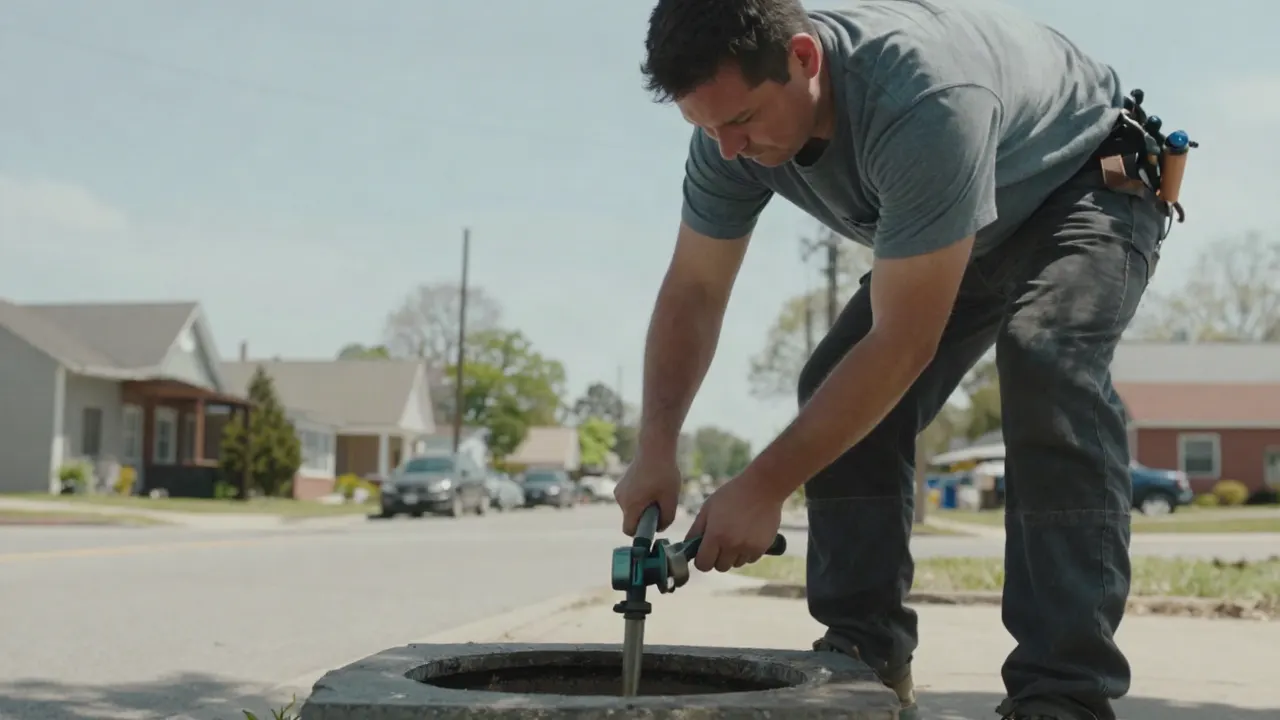
- Shut off the main water valve. Usually at the street or the side of the house. This stops new water from feeding the leak.
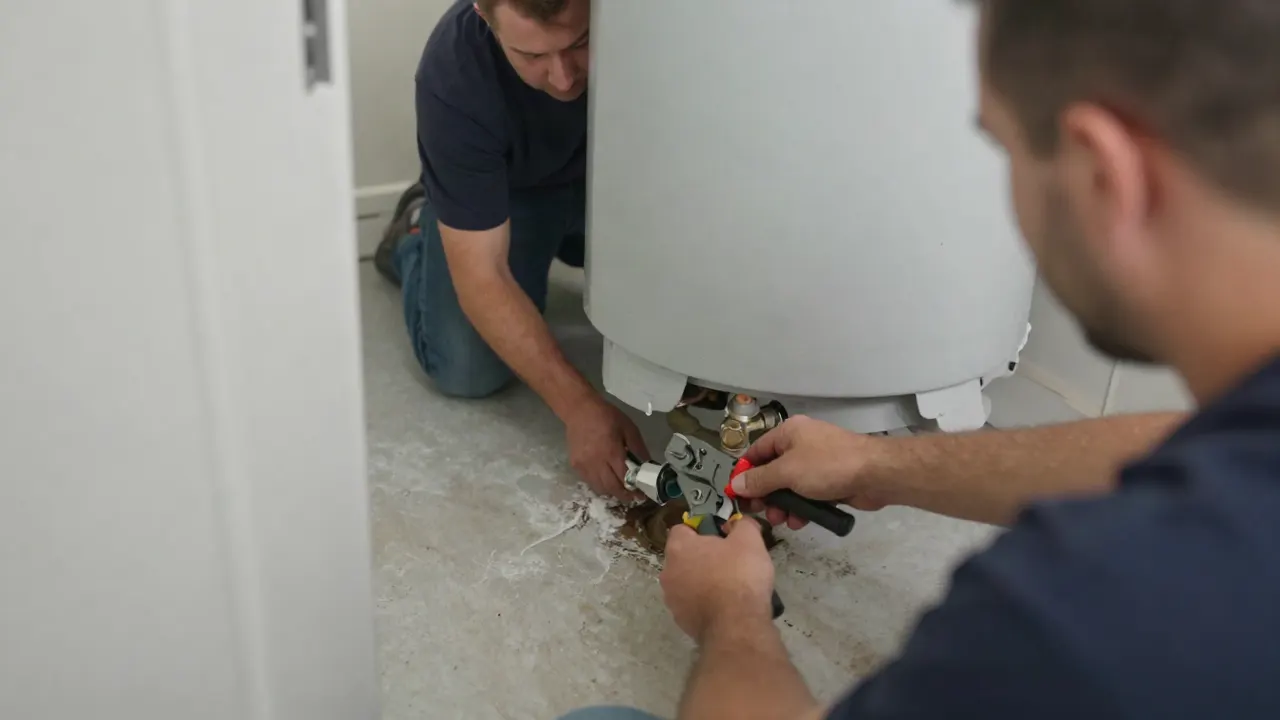
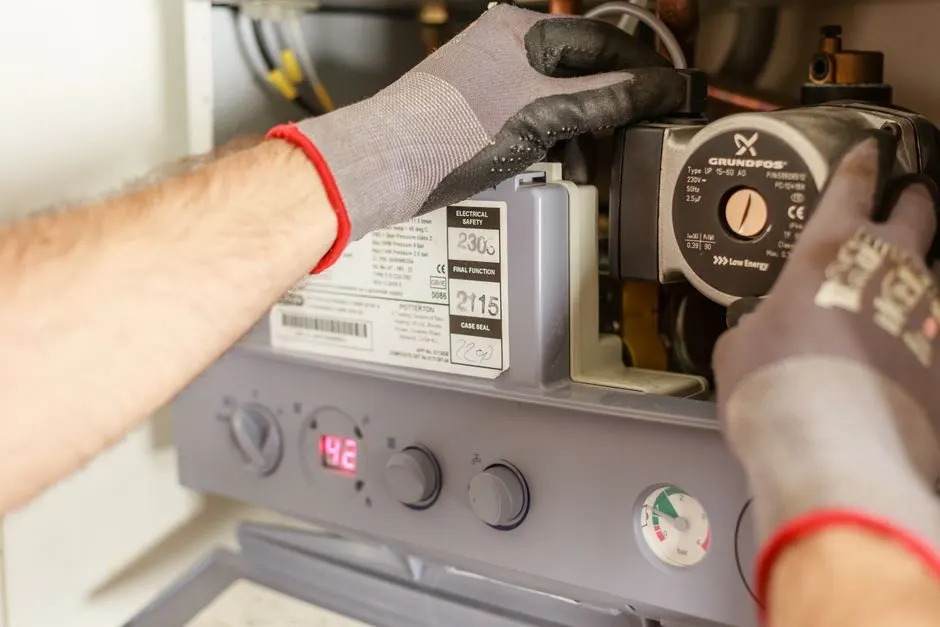
- Kill the water heater. If it is gas, turn the dial to pilot. If electric, flip the breaker. An empty heater that keeps firing can crack.
- Pull up wet rugs and move furniture. Moisture trapped under a rug stains hardwood and grows mold faster.
- Run fans and a dehumidifier. You are buying time, not fixing the leak.
- Call for detection. We use acoustic listening and thermal imaging to pinpoint the break without tearing up your whole floor.
If you are not sure whether the water is coming from the slab or from a fixture, our leak detection buckeye AZ team can tell you in under an hour. We have run this call hundreds of times in Buckeye - it is almost always faster to detect first and cut second.
What are the signs of a slab leak in Buckeye?
The signs of a slab leak in Buckeye are warm spots on the floor, a water bill that jumps 20% or more with no change in use, the sound of running water when everything is off, and cracks in tile or drywall that appear in a line.
Watch for these:
- Warm spots. A hot water line leak heats the slab from below. You feel it through tile or vinyl.
- Meter test. Shut every fixture, then watch the low-flow indicator on your meter. If it spins, water is moving.
- Sound test. Put your ear to the floor near the water heater or main line. A hiss or trickle means pressurized water is escaping.
- Floor symptoms. Buckling laminate, loose tile, damp grout lines, or a musty smell that returns after cleaning.
- Exterior clues. A wet patch in the yard that never dries, or a foundation crack that widened over one summer.
One sign alone is worth a call. Two signs together usually mean the leak has been running for weeks.
Why Buckeye's soil and heat make slab leaks worse
Buckeye sits on expansive clay and caliche that swells when wet and shrinks when dry. That cycle moves the slab, and moving slabs shear copper lines and loosen joints. It is the single biggest reason we see slab leaks here.
Add summer ground temperatures that push 100°F and the problem compounds. Hot water lines under a slab run hotter, expand more, and fatigue faster. Homes built in the 1990s and early 2000s - a big share of the housing in Tartesso, Verrado, and Sundance - are now at the age where original copper lines start failing.
If your home is in that age range and you have already replaced one section of pipe, ask about repiping buckeye AZ. Replacing the whole run costs more upfront than a single spot repair, but it ends the cycle instead of resetting it.
How slab leak detection works before we touch your floors
Slab leak detection finds the break using sound, heat, and pressure - not by tearing up flooring to look. We start with the least invasive tools and only open the slab where the evidence points.
Here is what we actually do on a Buckeye slab leak call:
- Acoustic listening. A ground microphone picks up the frequency of water escaping a pressurized line. We walk the slab and mark the loudest point.
- Thermal imaging. An infrared camera shows temperature differences under the floor. Hot water leaks glow; cold line leaks read cool.
- Pressure isolation. We isolate the hot and cold sides to confirm which line failed and rule out a drain or irrigation leak.
- Electronic tracing. For lines we cannot hear clearly, we send a signal down the pipe and follow it to the break.
Most detections take 45 to 90 minutes. We mark the spot on the floor with tape so you can see exactly where the repair will happen before we cut anything.
Slab leak repair options and what they cost in Buckeye
Slab leak repair in Buckeye runs $1,200 to $4,500 for a spot repair in 2026, and $6,000 to $12,000 or more for a full repipe. The spread comes down to access, pipe material, and how much flooring has to come up.
Three repair paths, from least to most invasive:
- Spot repair through the slab. We cut a 2x2 to 3x3 foot opening, fix the failed section, pressure-test it, and patch the concrete. Best when the leak is isolated and the rest of the line tests clean. Typical range: $1,200 to $3,000.
- Reroute above the slab. We abandon the failed section and run a new line through the attic or walls. No concrete cutting, but it adds visible pipe runs in some rooms. Typical range: $2,500 to $5,500.
- Whole-house repipe. We replace all the under-slab lines with PEX. This is the right call when you have had two or more slab leaks, or the line is original 1990s copper. Typical range: $6,000 to $12,000.
Flooring repair is separate. A 3x3 slab cut means replacing tile or laminate in that area - plan on $300 to $900 for a small patch, more if the tile is discontinued. We can refer you to flooring contractors we have worked with in Buckeye.
If the leak is on a drain line rather than a supply line, the fix is different. That is a sewer line repair buckeye AZ job, and it usually involves a camera inspection before we quote anything.
Common mistakes that make floor damage worse
The most expensive mistake is waiting. Homeowners see a warm spot, assume it is the sun, and lose two weeks. By then the subfloor is saturated and the repair bill has tripled.
Other mistakes we see on Buckeye slab leak calls:
- Running the water to 'test' the leak. Every gallon you send through the line feeds the leak. Shut it off instead.
- Pulling up flooring before detection. You end up replacing more floor than necessary because you cut in the wrong spot.
- Using a handyman for a slab repair. Slab work needs pressure testing and a proper concrete patch. A bad patch fails in a year and you pay twice.
- Ignoring the water bill. A $40 jump is a signal. A $200 jump is an emergency.
- Repairing one leak and stopping there. If the pipe failed once, it will fail again. Ask about the rest of the line.
One more: do not pour concrete patch over a wet slab. It traps moisture and grows mold under your new floor.
When to call a professional
Call a professional the moment you have two or more slab leak symptoms, or any symptom plus a water bill jump over 20%. That combination means the leak has been running long enough to damage the slab and the flooring above it.
At Buckeye Desert Bloom Plumbing, we handle the whole job - detection, repair, pressure test, and concrete patch. We give you a flat price before we cut, and we test the line before we leave. If the repair needs a reroute or a repipe, we tell you that on the same visit instead of coming back with a second bill.
If you are also dealing with slow drains or a backed-up line while we are there, we can look at drain cleaning buckeye AZ on the same trip. One visit, one diagnostic fee.
Frequently Asked Questions
How do I stop a slab leak from damaging my floors in Buckeye AZ?
Shut off the main water valve, kill the water heater, and call for detection the same day. Every hour the line stays pressurized, more water moves under your floor. Most Buckeye homeowners see floor damage stop spreading within 24 hours of the repair.
What are signs of a slab leak in Buckeye?
Warm spots on the floor, a water bill up 20% or more, the sound of running water when everything is off, and tile or laminate that buckles in a line. Two or more together usually mean the leak has been active for weeks.
How much does slab leak repair cost in Buckeye Arizona?
Spot repairs run $1,200 to $4,500 in 2026. Reroutes run $2,500 to $5,500. A whole-house repipe runs $6,000 to $12,000. Flooring repair is separate, typically $300 to $900 for a small patch.
Can a slab leak damage floors in Buckeye AZ?
Yes, and faster than in cooler climates. At Buckeye summer temperatures, a wet slab can grow mold in 48 to 72 hours. Laminate swells, tile loosens, and carpet smells musty within a week if the leak is not stopped.
Do I need to move out during slab leak repair?
Usually no. A spot repair takes 4 to 8 hours and we shut the water off only during the cut and patch. A full repipe takes 2 to 4 days and you can stay home, though water will be off for several hours each day.
Get help with plumbing in buckeye
If you have a warm spot on the floor or a water bill that jumped, call us before the damage spreads. We detect, repair, and pressure-test slab leaks across Buckeye - usually the same day you call.
Call (928) 495-5111 and we will get a technician out to find the leak and give you a flat price on the repair.